
Why Colorectal Cancer Screening Matters More Than Ever
Colorectal cancer remains one of the most common and serious cancers in the United States. Each year, more than 150,000 people are diagnosed, and tens of thousands lose their lives to the disease. New projections show that the number of cases and deaths is expected to rise slightly again in the coming year.
But there is an important message behind those numbers: colorectal cancer is often preventable when it is detected early. Screening plays a critical role in saving lives.
A Cancer That Is Increasing in Younger Adults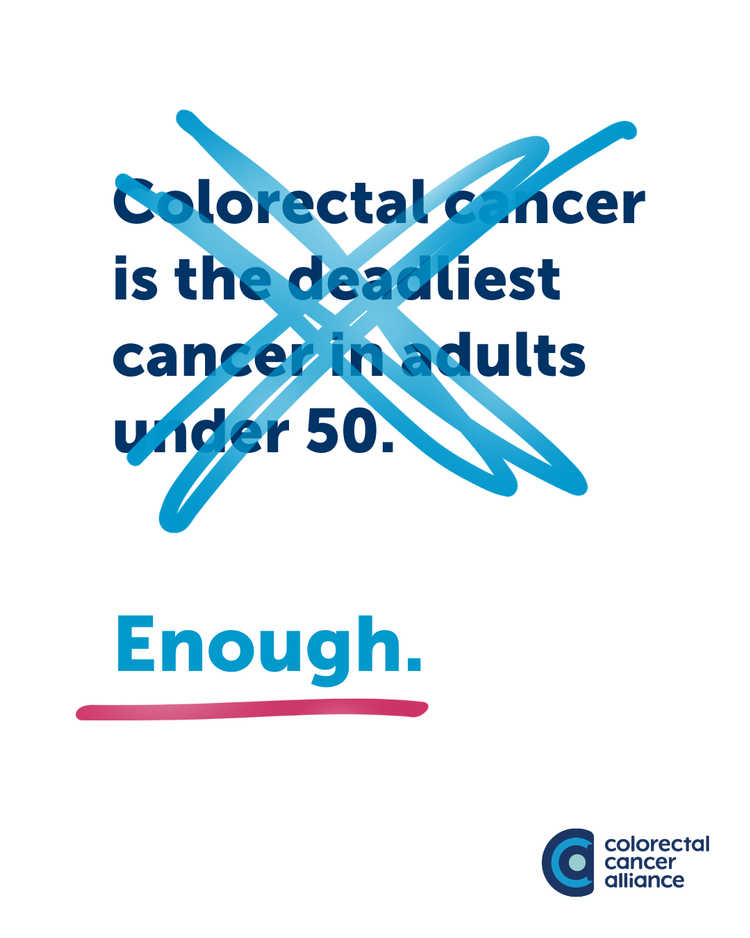
For many years, colorectal cancer was primarily considered a disease that affected older adults. While that is still largely true, recent research has revealed an important shift.
Cases are increasing among younger adults, particularly those under age 50. In fact, experts have observed rates rising steadily in adults in their 20s, 30s, and 40s. At the same time, many younger patients are diagnosed later, when the cancer is already at a more advanced stage.
This trend is one of the main reasons screening recommendations changed in recent years. Most adults are now advised to begin colorectal cancer screening at age 45, even if they feel healthy and have no symptoms.
Why Screening Is So Powerful
Unlike many other cancers, colorectal cancer often develops slowly over time from small growths called polyps in the colon or rectum. These polyps can exist for years before they become cancerous.
Screening tests can find these growths early—sometimes before cancer develops at all. When polyps are discovered and removed, cancer may be prevented entirely.
Screening can also detect cancer at an earlier stage, when treatment is far more effective. Survival rates are dramatically higher when colorectal cancer is found early compared to when it has already spread to other parts of the body.
What Are the Screening Options?
There are several safe and effective ways to screen for colorectal cancer. The right option depends on a person’s health history and preferences.
Common screening methods include:
-
Colonoscopy – A procedure that allows a provider to examine the colon and remove polyps if they are found.
-
At-home stool tests (FIT or stool DNA tests) – These tests look for hidden blood or abnormal DNA in stool samples and can be completed at home.
-
CT colonography or sigmoidoscopy – Imaging tests used in some cases.
Your healthcare provider can help determine which option is best for you. The most important step is simply getting screened and staying up to date.
Know Your Risk
While screening typically begins at age 45 for adults at average risk, some people may need to start earlier. Higher-risk factors include:
-
A family history of colorectal cancer
-
A personal history of polyps
-
Inflammatory bowel diseases such as Crohn’s disease or ulcerative colitis
-
Certain inherited genetic conditions
If you have any of these risk factors, talk with your provider about when screening should begin.
Pay Attention to Symptoms
Even if you are younger than 45, it is important to speak with a healthcare provider if you experience symptoms such as:
-
Blood in the stool
-
Persistent abdominal pain
-
Changes in bowel habits that last several weeks
-
Unexplained weight loss
-
Ongoing fatigue
These symptoms do not always mean cancer, but they should never be ignored.
 Taking the First Step
 Taking the First Step
The encouraging news is that colorectal cancer is one of the most preventable cancers when screening happens on time.
Starting screening at age 45—and following your provider’s recommendations—can make a life-saving difference. If you have questions about screening or need to schedule an appointment, talk with your healthcare provider about the option that is right for you.